Shilajit is divided into four categories based on the mineral predominance of the source rock: Sauvarna, Rajat, Tamra and Lauha. The last variety Lauha shilajit or blackish-brown Shilajit is common and most effective.
SHILAJIT Asphaltum (Shilajit) is a special type of medicinal material - a substance in mineral medicinal materials. It is the most important medicine in Ayurvedic health care. It is derived from weathered coal or lignite on high mountains. It is the most natural and high-quality source of humic acid. Before processing, it is similar to an asphalt substance, a dark red sticky substance composed of a compact and large amount of herbs and organic matter. Shilajit tastes bitter and its smell is similar to old cow urine.
And before we discuss the magical properties of shilajit, let us first understand what it is.
Generally, the raw materials of shilajit are divided into two types, semi-processed products and unprocessed products.
In Mongolia, where shilajit originates, it generally appears in the form of a semi-processed product that looks similar to asphalt. Shilajit produced in Tibet and Qinghai, China, appears in the most primitive block-shaped unprocessed products, which look like stones.
Finely processed products of Shilajit (that is, Shilajit extract) are generally divided into two specifications and appear in the supplement raw material market. One is shilajit extract.
1. Shilajit extract: The ingredients include humin, humic acid and fulvic acid (fulvic acid). Supplements generally focus on fulvic acid content.
Distinguishing conditions: Humin is insoluble in water under any pH condition. Under alkaline conditions, humic acid is soluble in water, and its molecular weight is 5 to 10 kDa. Fulvic acid is soluble in water at any pH and because of its low molecular weight (approximately 2 kDa), it is easily absorbed in the intestines and eliminated from the body within a few hours.
In addition to standard fulvic acid content extracts, shilajit extracts also include low-price proportional extracts, extracts that are dried into powder in the final stage of the extraction process, and raw powder directly processed from raw materials. , and some instant powders used in beverages.
The second specification of Shilajit is polypeptides and polysaccharides. Shilajit’s polysaccharides and small molecule peptides are very popular, but because polysaccharides are prone to moisture and agglomeration, the powder can easily turn into a paste and cannot be mass-produced. Therefore, there is usually a price but no market, or fakes are rampant.
According to the market situation researched by Joyous’ marketing department, we can see that
The price of Shilajit raw powder and proportioned extract is generally 60-90 RMB/kg (8-13 USD/kg).
The price of 5% fulvic acid content is around RMB 120/kg (17 USD/kg).
The price of 50% fulvic acid is around RMB 580/kg (83 USD/kg). This specification is also the most sought after and commonly used shilajit specification.
The price of 60% fulvic acid is around RMB 750/kg (110 USD/kg)
In terms of color, low-content extracts will add some auxiliary materials during the extraction process to help form powder. These auxiliary materials are generally based on yellow dextrin, so the color is generally lighter.
The raw materials of the extract do not seem cheap, but if we know the original raw material prices, we can have a suitable positioning for the shilajit series products. The quotation of asphalt paste raw materials in Mongolia is 380 yuan per kg (55 USD/kg), the minimum order quantity is generally 10 tons. The quotation for bulk unprocessed raw materials from Tibet, Qinghai and other Chinese origins is RMB 70 per kg (10 USD/kg), and the minimum order quantity is 100kg.
The difficulty in terminal production of shilajit is that it has a very strong bitter taste, and its characteristic is that it has very good water solubility.
So after understanding some basic information about this ingredient, let’s go back and see how it actually provides people with spiritual power.
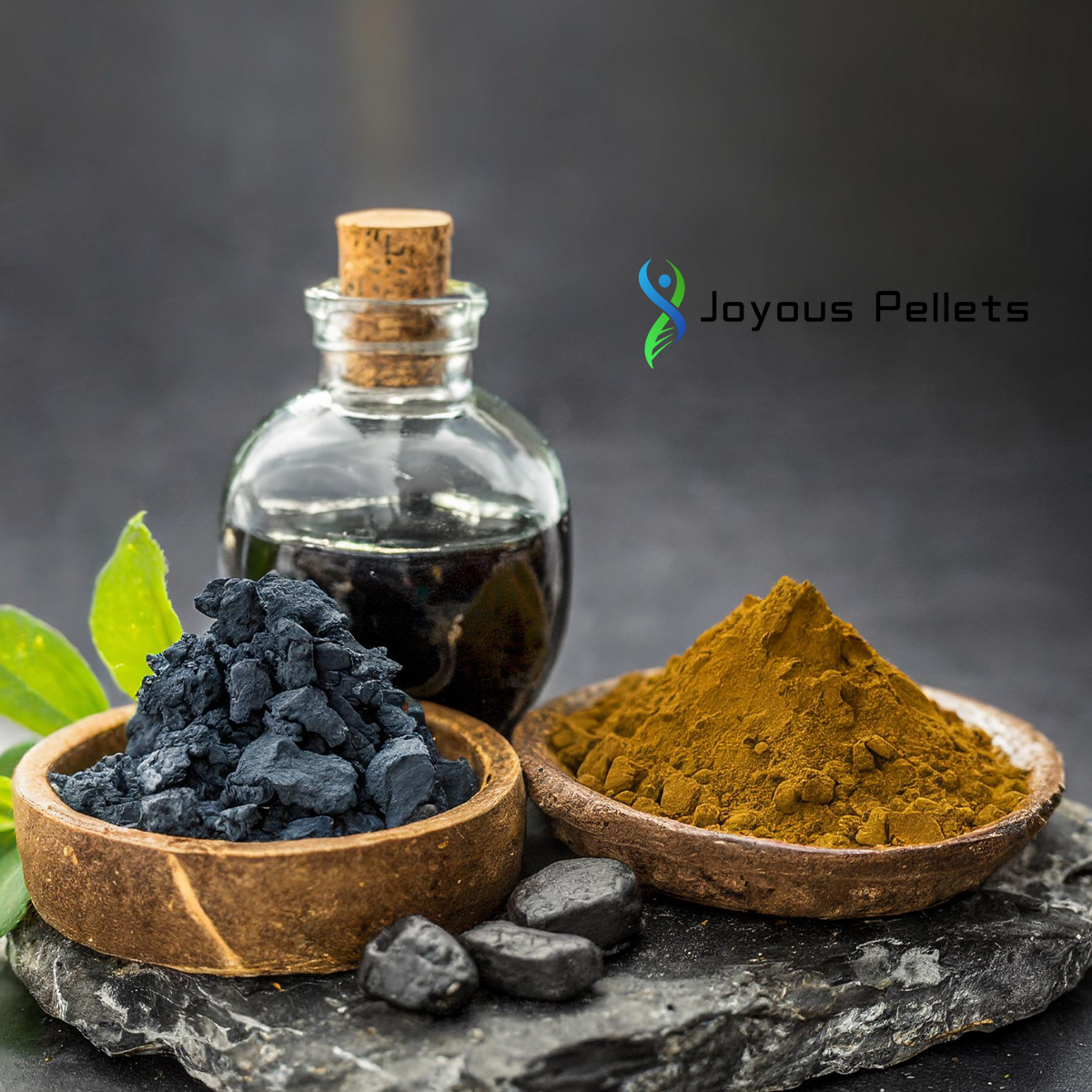
The function of Shilajit is derived from Ayurveda, the traditional Indian medical system. According to analysis, Shilajit contains at least 85 mineral ionic forms as well as humic acid and fulvic acid. Clinical studies are ongoing to confirm how so-called Himalayan Shilajit works. Before clinical confirmation, we can only rely on the long-standing herbal principles to see how shilajit works.
Shilajit is Nepali for nature's gift, and is described in Chinese herbal medicine as the degraded body of an important Ayurvedic compound, originally discovered by modern British explorer Sir Martin Edward Stanley in 1870. Use it to treat diabetes and various urinary problems, and combine it with other Chinese herbs to enhance its effects. It is also believed to be an aphrodisiac, treat symptoms of impotence and infertility, and reverse aging. No matter how the local culture is attached to the local area, we can always find the answer from scientific places.
The humic acid in shilajit can restore the electrical balance in the human body and heal damaged cells, neutralize toxins and eliminate food poisoning. When shilajit enters the human body, it blocks the release of histamine in the blood, which can prevent allergic symptoms. Shilajit provides iron to red blood cells, stimulates the immune system, increases protein and protein metabolism, and increases erectile behavior due to nitric oxide production. When there is excess cholesterol and blood sugar in the liver, shilajit acts as an anti-stress agent, helping the body cope with stressful situations, balancing and protecting the liver from excess cholesterol and blood sugar levels. Under the operation of Shilajit, the levels of the pancreas will increase, and the blood circulation and digestive system will strengthen their operations. Although we cannot have a clear pathway to explain these complex reactions, in fact, during the use of traditional Chinese medicine for more than 60 years, Shilajit has Zhi continues to prove herself. Shilajit has a unique say in improving memory, enhancing cognition, reducing allergic reactions, reducing physical stress, relieving the digestive system, anti-inflammatory, antioxidant, eliminating free radicals, and enhancing immunity, physical strength and endurance. Some organizations even believe that there may be some ingredients in shilajit that can help treat AIDS. Current research can only see that shilajit can increase the function of mitochondria in the body and has been used to relieve pain.
There are too many and complex ingredients in Shilajit. We still cannot clearly know that each substance or a combination of several substances will achieve those specific effects, but there are some definite studies and 60 years of clinical experience that can also allow us to You know, Shilajit is known to be a very powerful supplement ingredient.
If there are further new discoveries, we will update it here when we have time. If you are willing, you can also follow us.


